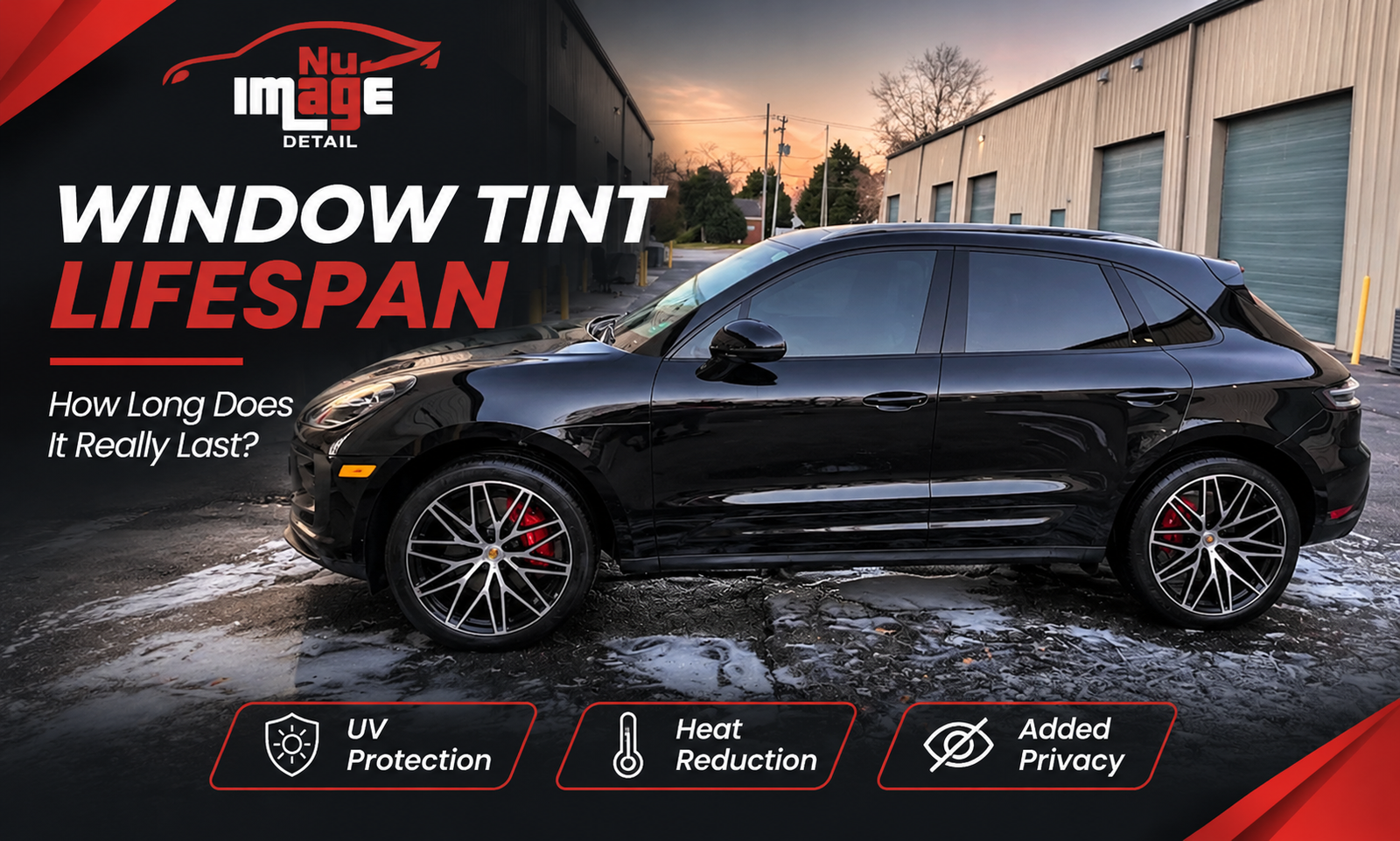
Car window tint is more than just an upgrade to your vehicle’s appearance. It helps reduce heat, minimize glare, block harmful UV rays, protect your interior, and provide additional privacy. But one question many vehicle owners ask before investing in window tinting is: How long does car window tint actually last?
The answer depends on the type of film, installation quality, daily sun exposure, and how well you maintain it. Some inexpensive window films may begin fading after a few years, while high-quality ceramic window tint can last 10 years or longer with proper care.
If you’re considering professional window tinting in Virginia Beach, understanding the differences between film types can help you make a better investment.
How Long Does Car Window Tint Last?
Most automotive window tint lasts between 5 and 10 years, although premium films can last considerably longer. The actual lifespan depends on the material and how well the film is installed and maintained.
Here’s a general comparison:
| Window Tint Type | Typical Lifespan |
|---|---|
| Dyed Window Tint | 3–5 years |
| Carbon Window Tint | 5–10 years |
| Ceramic Window Tint | 10+ years |
These are general estimates, not guaranteed expiration dates. Manufacturer warranties and product specifications should always be checked before choosing a film.
1. Dyed Window Tint: An Affordable Option
Dyed window tint is generally one of the most affordable options available. It uses layers of dye to create a darker appearance and improve privacy.
However, prolonged exposure to sunlight can cause the dye to break down over time. This may result in fading, discoloration, or a purple appearance.
Although dyed tint can be suitable for drivers looking for a budget-friendly appearance upgrade, it generally doesn’t offer the same long-term performance as carbon or ceramic films.
2. Carbon Window Tint: Better Color Stability
Carbon window tint is a popular choice for drivers who want improved performance without moving to a premium ceramic option.
Unlike traditional dyed films, carbon tint uses carbon-based particles to help maintain its appearance. It offers good color stability, reduces glare, and helps limit heat entering the vehicle.
With professional installation and proper maintenance, quality carbon window tint can last approximately 5 to 10 years or longer, depending on the product.
It’s a practical middle-ground option for drivers looking for durability, privacy, and everyday comfort.
3. Ceramic Window Tint: Premium Protection and Durability
Ceramic window tint is one of the most advanced options available for automotive glass.
It uses advanced ceramic technology to reduce infrared heat, block UV rays, and improve driving comfort without relying on traditional dyes or metallic layers.
Some of its biggest advantages include:
- Excellent heat rejection, helping keep your cabin cooler.
- Up to 99% UV protection with qualifying films.
- Reduced glare for a more comfortable driving experience.
- Better color stability compared with traditional dyed films.
- No interference with GPS, cellular, or radio signals when using non-metalized ceramic films.
High-quality ceramic window tint can last 10 years or longer when professionally installed and properly maintained. Some manufacturers also offer lifetime limited warranties on qualifying products.
For drivers who want long-term comfort and protection, ceramic tint is an excellent investment.
What Factors Affect Window Tint Lifespan?
Even premium window tint can develop problems if it’s installed incorrectly or exposed to unnecessary damage.
Here are four important factors that influence how long your tint lasts.
1. Installation Quality
Professional installation makes a significant difference. Poor surface preparation, trapped contaminants, and improper application can lead to bubbling, peeling, or premature film failure.
2. Sun Exposure and Heat
Vehicles regularly parked outside experience continuous exposure to sunlight and temperature changes. Over time, these conditions can affect lower-quality films.
3. Cleaning and Maintenance
Using ammonia-based glass cleaners, abrasive materials, or rough cleaning tools can damage window tint. Always use a tint-safe cleaner and a soft microfiber cloth.
4. Film Quality
Not all window films are manufactured equally. Choosing a reputable film with a clear manufacturer warranty can help protect your investment.
5 Signs Your Car Window Tint Needs Replacement
Not sure whether your existing tint needs replacing? Watch for these common warning signs:
- Purple or faded appearance: The film has lost its original color.
- Bubbling: Air pockets appear underneath the film.
- Peeling edges: The film begins separating from the glass.
- Discoloration: The tint develops an uneven or cloudy appearance.
- Reduced clarity: Scratches or haze interfere with your visibility.
If you notice these issues, have the film inspected by a professional. Damaged window tint may need to be removed and replaced.
How to Make Your Window Tint Last Longer
A few simple habits can help extend the life of your window tint:
- Keep your windows rolled up for at least 3–5 days after installation, following your installer’s instructions.
- Avoid ammonia-based glass cleaners.
- Use a soft microfiber cloth when cleaning tinted windows.
- Never scrape the film with sharp objects.
- Avoid excessive pressure around film edges.
- Follow the manufacturer’s recommended maintenance instructions.
Proper aftercare helps preserve the film’s appearance and performance.
Frequently Asked Questions About Car Window Tint
How many years does ceramic window tint last?
Quality ceramic window tint can last 10 years or longer with professional installation and proper maintenance. Some products also carry lifetime limited manufacturer warranties.
Does window tint fade over time?
Yes. Lower-quality dyed films are more likely to fade or turn purple after prolonged sun exposure. Higher-quality carbon and ceramic films generally offer better color stability.
Can I wash my car after getting window tint?
Yes. However, follow your installer’s instructions and avoid cleaning the inside of newly tinted windows until the film has properly cured.
Is ceramic window tint worth the extra cost?
For many drivers, yes. Ceramic window tint offers excellent heat rejection, UV protection, and long-term color stability, making it a worthwhile option for everyday driving.
When should I replace my car window tint?
Consider replacement when you notice persistent bubbling, peeling, purple discoloration, or reduced visibility. A professional inspection can help determine whether replacement is necessary.
Get Long-Lasting Window Tint from Nu Image Detail
Choosing the right window tint is about more than selecting a shade. Film quality, professional installation, and proper maintenance all contribute to long-term performance.
At Nu Image Detail, we provide professional ceramic and carbon window tinting in Virginia Beach, helping drivers improve privacy, reduce interior heat, and protect their vehicle’s interior from harmful UV exposure.
Whether you’re upgrading your existing tint or installing window film for the first time, our team can help you find an option that suits your vehicle and needs.
Contact Nu Image Detail today to learn more about professional car window tinting in Virginia Beach, VA.