For paint protection, Paint Protection Film (PPF) is often the last option. Does it fit it? Let’s investigate the world of PPF thoroughly to come up with well-reasoned, well-informed and meaningful conclusions about its advantages and weaknesses.
What is PPF?
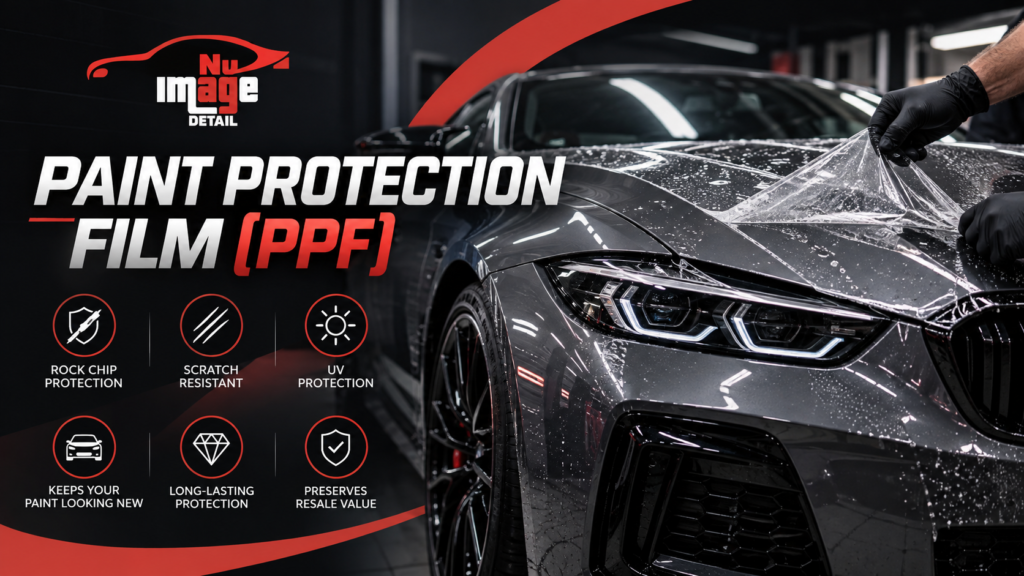
PPF, or Paint Protection Film, is a transparent, thermoplastic urethane film applied to a car’s exterior. It acts as a shield against:
- Scratches
- Rock chips
- UV rays
- Chemical stains
Durability
- Wax & Sealants: 1–6 months
- Ceramic Coating: 2–5 years
- Paint Protection Film (PPF): 5–10 years
Scratch Resistance
- Wax & Sealants: Low
- Ceramic Coating: Medium
- Paint Protection Film (PPF): High
Cost
- Wax & Sealants: $50 – $200
- Ceramic Coating: $300 – $1,500
- Paint Protection Film (PPF): $1,000 – $5,000
UV Protection
- Wax & Sealants: Moderate
- Ceramic Coating: High
- Paint Protection Film (PPF): High
Table 1: Comparison of Car Paint Protection Methods
How PPF Works
PPF forms a physical barrier over your car’s paint. Its self-healing properties can repair minor scratches and swirl marks when exposed to heat, keeping your car looking pristine.
Key Benefits of PPF
- Scratch Resistance: Protects against road debris and minor scratches.
- UV Protection: Prevents paint from fading due to prolonged sun exposure.
- Chemical Resistance: Shields against bird droppings, acid rain, and bug splatter.
Common Myths About PPF
Myth 1: PPF is Too Expensive
Reality: While the upfront cost might be high, PPF saves you money in the long run by reducing repainting and repair costs.
Myth 2: PPF Damages Paint
Reality: High-quality PPF installed by professionals is designed to protect, not harm, your car’s paint.
Myth 3: PPF is Only for Luxury Cars
Reality: PPF benefits all cars by preserving resale value and maintaining aesthetics.
FAQs About PPF
- Does PPF prevent all types of damage?
- No, PPF is effective against minor to moderate damages but won’t protect against severe impacts or deep scratches.
- How long does PPF last?
- High-quality PPF can last between 5 to 10 years, depending on maintenance and environmental conditions.
- Can PPF be removed?
- Yes, PPF can be safely removed by professionals without damaging the paint underneath.
- Is PPF worth the cost?
- For long-term protection and maintaining your car’s resale value, PPF is worth the investment.
- Does PPF require maintenance?
- Minimal maintenance is needed. Regular washing and avoiding abrasive materials are recommended.
Summary
For car protection, PPF is often the last option. Does it fit it? Let’s investigate the world of PPF thoroughly to come up with well-reasoned, well-informed and meaningful conclusions about its advantages and weaknesses.