You want a cooler, more comfortable car, but you don’t necessarily want dark windows. Maybe you prefer your vehicle’s original appearance, want better visibility, or simply don’t like the look of heavily tinted glass.
The good news is that window tint doesn’t have to be dark to help block heat.
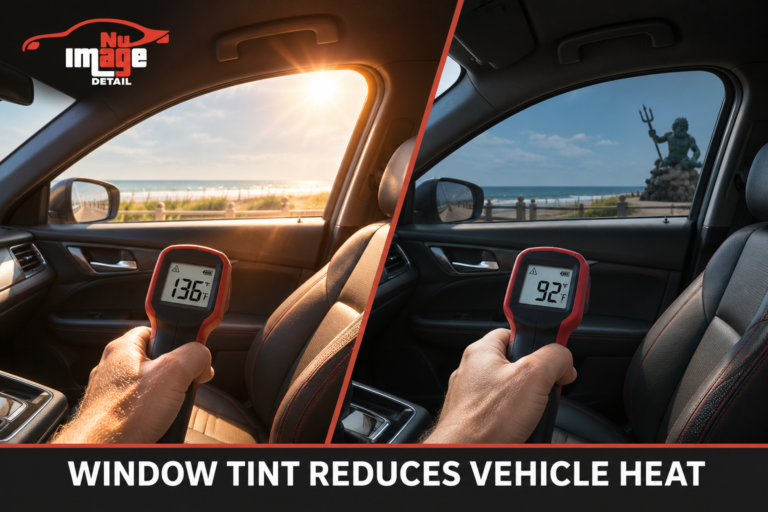
Modern automotive window films, particularly certain ceramic and advanced heat-rejecting films, can reduce solar heat while allowing plenty of visible light through your windows.
But how does light window tint work, and can it really keep your car cooler?
Let’s take a closer look.
Can Light Window Tint Really Block Heat?
Yes. Light-colored and nearly clear window tint can provide meaningful heat rejection, depending on the film’s technology and performance specifications.
Traditional window tint is often associated with darkened glass. However, darkness and heat rejection are two different characteristics.
Modern heat-rejecting films can target portions of the sun’s energy without significantly reducing visible light.
This means you can choose a relatively light tint while still improving your driving comfort.
How Does Heat-Rejecting Window Tint Work?
Sunlight contains different types of energy, including:
- Visible light: The light that allows you to see through your windows.
- Infrared energy: A portion of the sun’s energy that contributes to heating.
- Ultraviolet (UV) radiation: Radiation associated with skin exposure and interior material deterioration.
Advanced window films are designed to manage these components differently.
For example, a high-quality ceramic film may reject a substantial amount of infrared energy while allowing much of the visible light to pass through.
However, infrared rejection alone doesn’t tell you how much total solar heat a film blocks. Overall performance depends on the complete film-and-glass combination.
What Type of Window Tint Blocks Heat Without Being Dark?
Several automotive window film technologies are available, but some are better suited to drivers who want heat reduction without noticeably dark windows.
1. Clear or Nearly Clear Heat-Rejecting Film
Certain advanced automotive films are engineered to provide heat rejection while maintaining a nearly transparent appearance.
These films are ideal for drivers who prefer:
- A natural, factory-style window appearance.
- High visible-light transmission.
- Reduced solar heat entering the vehicle.
- Minimal changes to exterior aesthetics.
Their heat-rejection performance varies by product, so it’s important to review the manufacturer’s specifications.
2. Light Ceramic Window Tint
Ceramic window tint is a popular option for drivers who want a combination of heat rejection, clarity, and UV protection.
Unlike basic dyed films, ceramic films use specialized particles or layers designed to manage solar energy.
Potential benefits include:
- Improved cabin comfort during sunny weather.
- Heat rejection without requiring very dark glass.
- UV protection, depending on the selected product.
- Reduced glare, depending on tint shade.
- Clear outward visibility with an appropriately light film.
Ceramic window tint is available in different shades, so you can select a lighter appearance without automatically sacrificing all heat-rejection performance.
3. Carbon Window Tint
Carbon window tint can also provide solar heat reduction and a clean appearance.
However, many carbon films have a more noticeable tinted look, and their heat-rejection performance varies.
For drivers who prioritize maximum light transmission alongside heat rejection, comparing specific ceramic and advanced clear-film products is often worthwhile.
Clear Tint vs. Dark Tint: What’s the Difference?
The biggest difference is how much visible light passes through the windows.
Window tint darkness is commonly measured using Visible Light Transmission (VLT).
A higher VLT percentage means more visible light passes through the glass. A lower percentage means the glass appears darker.
| Tint Characteristic | Light or Nearly Clear Tint | Dark Tint |
|---|---|---|
| Appearance | Subtle or nearly transparent | Noticeably darker |
| Visible light transmission | Higher | Lower |
| Privacy | Limited | Generally greater |
| Daytime visibility | More natural light | Reduced visible light |
| Nighttime visibility | Usually less affected | Can be more affected |
| Heat rejection | Can be strong with advanced films | Depends on film technology |
| UV protection | Available with suitable products | Available with suitable products |
| Best for | Comfort with a natural appearance | Privacy and a darker look |
The important takeaway is that a darker tint doesn’t automatically provide better heat rejection than a lighter tint.
A high-performance light film may outperform a basic dark film in certain heat-rejection measurements.
What Does VLT Mean in Window Tint?
VLT stands for Visible Light Transmission. It describes the percentage of visible light passing through a window film or a film-and-glass combination.
Understanding VLT makes it easier to choose a shade that matches your preferences.
Common Window Tint VLT Levels
| VLT Level | General Appearance | Typical Preference |
|---|---|---|
| 70–80% | Very light or nearly clear | Minimal change in appearance |
| 50% | Light-to-moderate tint | Balance of light and some shading |
| 35% | Noticeably tinted | Darker appearance |
| 20% | Dark tint | Greater privacy |
| 5% | Very dark tint | Maximum darkened appearance |
These descriptions are general examples, not legal recommendations.
The final VLT of a tinted window depends on both the original glass and the installed film.
For example, installing a film labeled 70% VLT doesn’t necessarily mean the finished window will measure exactly 70%.
How Can You Tell Whether Window Tint Actually Blocks Heat?
When comparing window tint products, don’t rely only on shade or marketing descriptions.
Look for measurable performance specifications.
Important Window Tint Performance Ratings
| Rating | What It Measures | Why It Matters |
|---|---|---|
| VLT | Visible Light Transmission | Indicates how light or dark the window appears |
| TSER | Total Solar Energy Rejection | Indicates how much total solar energy is rejected |
| IRER | Infrared Energy Rejection | Measures rejection of infrared energy under a defined test method |
| UV Rejection | Ultraviolet radiation blocked | Helps assess UV protection |
| Glare Reduction | Reduction in incoming visible light | Helps assess potential glare control |
Why TSER Matters
Total Solar Energy Rejection (TSER) is particularly useful when evaluating a film’s overall solar heat performance.
A film might advertise excellent infrared rejection, but that doesn’t mean it rejects the same percentage of all solar energy.
When comparing products, check whether the specifications use consistent test methods and glass conditions.
This gives you a more meaningful comparison than simply choosing the film with the darkest appearance.
What Are the Benefits of Light Ceramic Window Tint?
If you want a cooler vehicle without heavily tinted windows, light ceramic film may offer several practical advantages.
1. Improved Driving Comfort
Quality heat-rejecting film can reduce the amount of solar energy entering your vehicle.
This may make the cabin feel more comfortable during sunny drives, particularly when the vehicle is exposed to direct sunlight.
2. A Natural Window Appearance
Light ceramic tint allows drivers to preserve much of their vehicle’s original appearance.
It’s a good option if you prefer a subtle finish instead of darkened windows.
3. UV Protection
Many quality automotive window films provide substantial UV rejection.
This can help reduce UV exposure through treated windows and limit certain types of sun-related interior fading.
Actual UV protection depends on the selected film and glass.
4. Better Visibility Compared With Darker Shades
A lighter tint generally allows more visible light into the cabin than a darker tint.
This can be useful for drivers who want to minimize changes to nighttime visibility.
However, every additional film changes light transmission to some degree.
5. Protection for Interior Surfaces
Heat and sunlight can contribute to the deterioration of dashboard materials, upholstery, and other interior surfaces.
A suitable window film may help reduce some of that exposure, although it cannot prevent all forms of aging or fading.
Is Light Window Tint a Good Choice for Virginia Beach Drivers?
Virginia Beach drivers experience sunny days, seasonal heat, and changing weather conditions.
Vehicles parked outdoors can absorb substantial solar energy through their glass, making the cabin uncomfortable when it’s time to drive.
A light heat-rejecting window film may be useful if you:
- Frequently park outdoors.
- Drive during sunny afternoons.
- Prefer a clean, factory-style appearance.
- Want to reduce heat without choosing a dark shade.
- Value good outward visibility.
- Want additional UV protection from treated windows.
At Nu Image Detail, drivers can explore window tinting options based on comfort, appearance, and vehicle needs.
Is Clear or Light Window Tint Legal in Virginia?
Light-looking tint is not automatically legal.
Virginia regulates vehicle window tint based on factors such as window position, vehicle classification, and visible light transmission.
Even a nearly transparent film can affect the measured light transmission of a window.
What Should You Check Before Installation?
Before choosing a film, confirm:
- The legal requirements for your vehicle type.
- Which windows may receive aftermarket tint.
- The finished VLT of the original glass and film together.
- Any restrictions affecting windshield applications.
- Whether the selected product and installation comply with current Virginia requirements.
Do not assume that a film is legal simply because it’s advertised as clear or has a high VLT.
For current requirements, consult the Virginia Department of Motor Vehicles and applicable Virginia law.
A professional installer can help you evaluate suitable options, but compliance should always be confirmed before installation.
Will Light Window Tint Keep Your Car Completely Cool?
No window tint can completely prevent a vehicle from heating up.
Even with high-performance film, heat can still enter through untreated glass, body panels, and other surfaces.
A parked car may still become very hot in direct sunlight.
However, quality heat-rejecting film can reduce incoming solar energy and may improve comfort when combined with other practical measures.
For example:
- Use a windshield sunshade when parked.
- Park in shaded areas whenever possible.
- Maintain your vehicle’s air conditioning.
- Choose professionally installed film with verified performance specifications.
Window tint improves comfort; it doesn’t eliminate the need for sensible heat precautions.
Frequently Asked Questions
Can clear window tint block heat?
Yes. Certain clear and nearly clear automotive films are designed to reject solar heat while transmitting a high percentage of visible light. Performance depends on the specific film and glass.
Is ceramic tint better for heat rejection than regular tint?
Many advanced ceramic films provide stronger heat-rejection performance than basic dyed films, even in lighter shades. However, the best comparison is between specific products and their published specifications.
Does 70% window tint reduce heat?
It can. Some films around 70% VLT provide meaningful heat rejection, while others offer more limited performance. VLT measures visible light transmission, not total solar heat rejection.
Does lighter window tint still block UV rays?
Yes, depending on the product. Many light automotive films offer substantial UV rejection. Check the manufacturer’s data rather than assuming protection based on appearance.
Can I install clear heat-rejecting tint on my windshield?
Windshield tinting is subject to specific legal restrictions. Before considering any windshield film, verify current Virginia requirements and whether the particular application is permitted.
Stay Comfortable Without Going Dark With Nu Image Detail
You don’t have to choose heavily tinted windows just to improve comfort behind the wheel. With the right heat-rejecting window film, it’s possible to maintain a lighter, more natural appearance while reducing incoming solar heat.
At Nu Image Detail, we provide professional window tinting services in Virginia Beach, VA, with ceramic and carbon film options to suit different preferences. Our team can help you understand available shades, compare film performance, and choose an appropriate solution for your vehicle.
Ready to explore heat-rejecting window tint? Contact Nu Image Detail or visit our shop at 3169 Shipps Corner Rd, Suite 106, Virginia Beach, VA 23453, to discuss your window tinting options.