
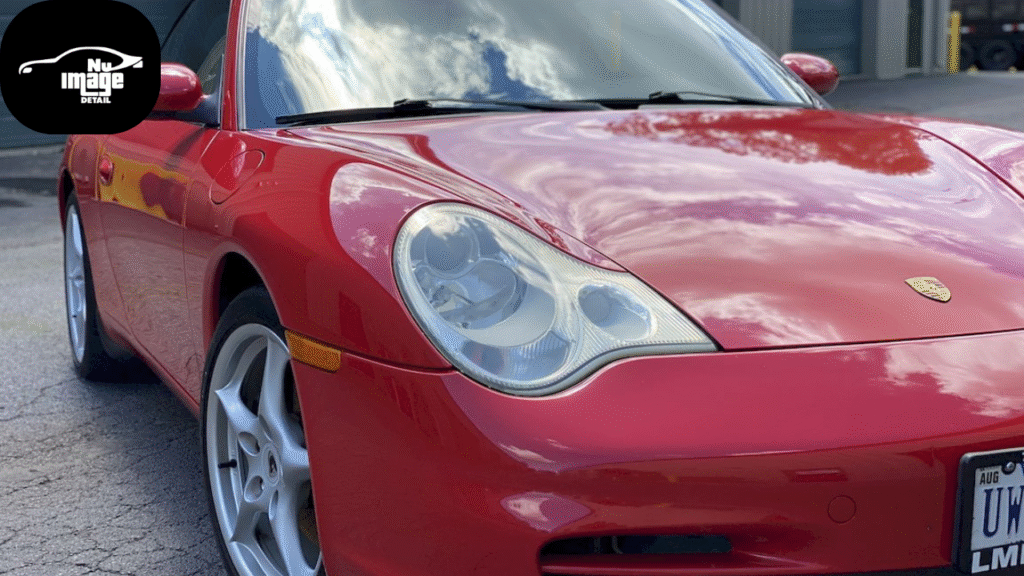
Cloudy, yellow headlights can instantly make your vehicle look older and poorly maintained. That’s why many car owners turn to DIY headlight restoration kits for a quick and affordable fix.
At first, the results often look impressive.
But within a few months, the haze returns — sometimes worse than before.
So why do DIY headlight restoration kits fail so quickly? Let’s break down the real reasons, the risks involved, and what actually keeps your headlights clear long-term.
Understanding Why Headlights Become Cloudy
Modern headlights are made from polycarbonate plastic, not glass. While this material is durable and impact-resistant, it has one major weakness:
UV exposure.
Over time, sunlight:
- Breaks down the factory UV protective coating
- Causes oxidation
- Leads to yellowing and haze
- Reduces light output
Once that protective layer fails, oxidation accelerates rapidly.
What DIY Headlight Restoration Kits Actually Do
Most over-the-counter kits include:
- Sandpaper or abrasive pads
- Polishing compound
- A temporary sealant or wipe-on coating
These kits remove oxidation by sanding down the damaged surface layer.
The problem? They often don’t replace the original UV protection effectively.
Why DIY Headlight Restoration Kits Fail Within Months
1. Weak or Temporary UV Protection
The biggest reason DIY headlight restoration fails is poor UV protection.
Many kits:
- Include basic wipe-on sealants
- Offer limited UV resistance
- Wash off after a few car washes
Without strong UV protection, oxidation quickly returns.
2. Incomplete Surface Preparation
Proper restoration requires:
- Multi-stage sanding
- Controlled grit progression
- Even leveling
- Thorough cleaning
DIY users often:
- Skip sanding steps
- Use uneven pressure
- Leave microscopic scratches
These imperfections trap contaminants and speed up deterioration.
3. No Professional-Grade Clear Coat
Factory headlights have a baked-on UV clear coat.
DIY kits rarely replicate this level of protection.
Professional headlight restoration often includes:
- Advanced UV coatings
- Clear coat application
- Ceramic-based protection
Without this, lenses remain vulnerable.
4. Environmental Exposure
Headlights face extreme conditions:
- Direct sunlight
- Road salt
- Rain and humidity
- Heat cycles
- Car wash chemicals
A weak sealant simply can’t withstand this long term.
5. Improper Application Conditions
Temperature, humidity, and curing time matter.
DIY applications done:
- In direct sunlight
- In dusty environments
- Without proper curing
Can lead to premature failure.
The Hidden Risk: Reduced Night Visibility
Failing restoration isn’t just cosmetic.
Oxidized headlights:
- Reduce beam clarity
- Scatter light
- Decrease nighttime visibility
- Increase accident risk
Restoring headlights properly improves both safety and appearance.
DIY vs Professional Headlight Restoration
Here’s a side-by-side comparison:
| Feature | DIY Kit | Professional Headlight Restoration |
| Oxidation Removal | Basic | Multi-stage precision sanding |
| UV Protection | Temporary sealant | Professional-grade UV coating |
| Durability | 2–6 months (average) | 1–3+ years (with maintenance) |
| Clarity Level | Moderate | Near factory clarity |
| Risk of Damage | Higher | Minimal when done properly |
| Long-Term Cost | Repeated purchases | One long-lasting service |
Key Insight: DIY may look cheaper upfront, but repeated failures cost more over time.
Signs Your DIY Restoration Is Failing
Watch for:
- Yellowing returning
- Haze forming after rain
- Water spots not clearing
- Dull finish
- Uneven shine
If this happens within months, UV protection likely failed.
How to Extend Headlight Clarity (Maintenance Guide)
Whether you choose DIY or professional restoration, proper maintenance matters.
Headlight Maintenance Schedule
| Maintenance Step | Frequency | Why It Matters |
| Gentle Hand Wash | Weekly | Prevents buildup |
| Avoid Harsh Chemicals | Always | Protects UV layer |
| Apply UV Sealant | Every 3–4 Months | Reinforces protection |
| Park in Shade | When Possible | Reduces UV exposure |
| Inspect for Early Haze | Monthly | Catch issues early |
Common DIY Mistakes That Accelerate Failure
Avoid these common errors:
- Using toothpaste as a “hack”
- Skipping grit levels during sanding
- Applying coating too thick
- Not allowing proper curing time
- Washing vehicle immediately after application
Shortcuts almost always lead to short-term results.
Why Professional Headlight Restoration Lasts Longer
Professional services use:
- Machine-controlled sanding
- Precision polishing systems
- High-grade UV-resistant coatings
- Proper curing methods
Many professionals apply durable coatings designed specifically for automotive plastic surfaces — not generic sealants.
This dramatically increases longevity and clarity.
Is DIY Ever Worth It?
DIY headlight restoration kits can be useful:
- For temporary improvement
- Before selling a vehicle
- As a short-term cosmetic fix
But for long-term durability and safety, professional headlight restoration is the better investment.
The Bottom Line
DIY headlight restoration kits often fail within months because they remove oxidation but fail to restore strong UV protection.
Without proper sealing, the sun quickly damages the exposed plastic again.
If you want headlights that stay crystal clear, bright, and protected — professional restoration makes the difference.
Restore Clarity the Right Way with Nu Image Detail
If your headlights are cloudy, faded, or failing after a DIY attempt, it’s time for a lasting solution.
Nu Image Detail provides expert Headlight Restoration designed to restore clarity, improve nighttime visibility, and protect your lenses with professional-grade UV coatings.
Their trained specialists use advanced tools, precise sanding techniques, and durable protective finishes to ensure your headlights stay clear longer — not just for months, but for years with proper care.
Meta Title (Under 60 Characters):
Why DIY Headlight Restoration Kits Fail FastMeta Description (Under 160 Characters):
Discover why DIY headlight restoration kits fail within months and how professional headlight restoration keeps lenses clear longer.