
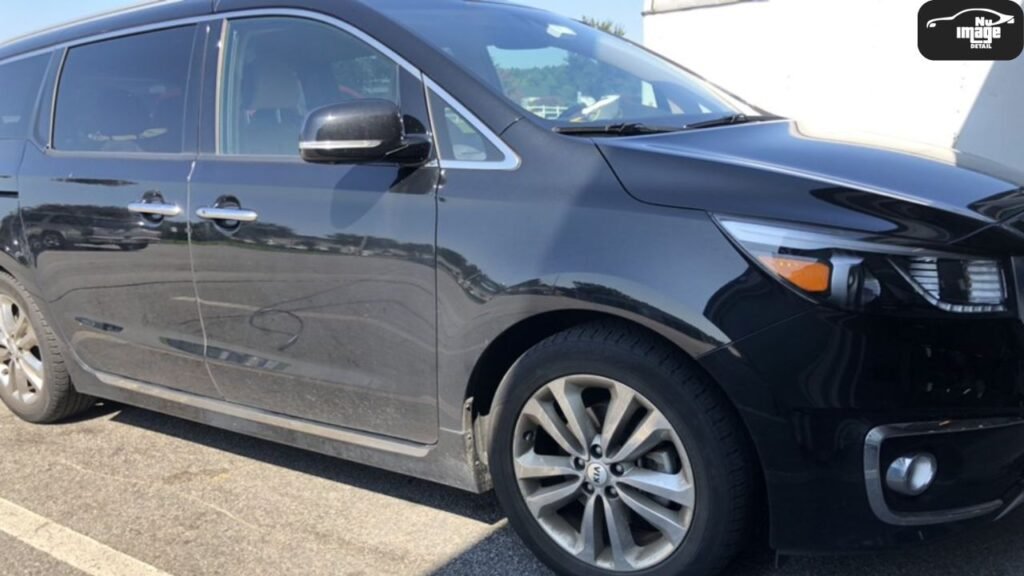
When it comes to maintaining the beauty and longevity of your vehicle, car paint correction can be an effective solution. This process, often performed by professional detailers, removes imperfections like scratches, swirl marks, and oxidation from the car’s paint, giving it a fresh, polished look. However, many car owners wonder: Is car paint correction safe for my vehicle?
What is Car Paint Correction?
Car paint correction is a process that involves removing imperfections from the paint surface. These imperfections could be caused by swirls, scratches, water spots, or oxidation, which naturally occur over time due to environmental factors and improper washing techniques.
The process is performed using a machine polisher with specialized pads and compounds. The machine works to level the paint surface and eliminate the defects, leaving behind a smooth, glossy finish.
Is Car Paint Correction Safe?
The short answer is yes, car paint correction is safe when performed properly by a skilled professional. However, it’s crucial to ensure that the process is done correctly to avoid damaging the paint. Here’s why:
1. Controlled Process with the Right Tools
- When done by a trained expert, paint correction involves using the right tools and products for your vehicle’s specific needs. Professionals use machine polishers, which provide controlled pressure, ensuring that the paint is corrected without excessive abrasion.
- Using improper tools or techniques, however, can lead to surface damage such as clear coat thinning or creating further imperfections.
2. Minimizing Paint Damage
- One of the main goals of paint correction is to remove imperfections without harming the paint. A professional understands how much pressure to apply, ensuring the paint thickness is not compromised.
- Inexperienced hands can unintentionally damage the paint, so it’s essential to trust an expert.
3. Maintaining the Clear Coat
- The clear coat, which protects the paint from UV rays and environmental damage, is an essential layer of your vehicle’s finish. When performed correctly, paint correction does not remove this layer; instead, it smoothens the surface and enhances its appearance.
- Over-correction or using heavy abrasives can strip away too much of the clear coat, leading to long-term issues.
Benefits of Car Paint Correction
Car paint correction offers several advantages, not only enhancing your vehicle’s appearance but also protecting it in the long run. Here are some key benefits:
- Enhanced Appearance: Restores the vehicle’s paint to a glossy, smooth finish, removing imperfections and making it look brand new.
- Protection: By eliminating oxidation and scratches, the vehicle is better protected from the elements, reducing the risk of further damage.
- Increased Value: A well-maintained car with flawless paint is likely to fetch a higher resale value.
- Easier Cleaning: A smooth, corrected surface prevents dirt and contaminants from sticking, making cleaning and maintenance easier.
How Often Should You Do Car Paint Correction?
While paint correction is safe and beneficial, it doesn’t need to be done frequently. Here’s a guideline on when to schedule a correction:
| Condition | Frequency |
|---|---|
| New car or well-maintained paint | Every 1-2 years |
| Car with light swirls or minor imperfections | Every 6-12 months |
| Severe oxidation or deep scratches | As needed, depending on the severity |
Tips for Maintaining Your Vehicle’s Paint
Proper vehicle maintenance can extend the life of your car’s paint, making it easier to keep it looking fresh and free from imperfections. Here are some essential car care tips:
1. Wash Your Car Regularly
- Frequent washing removes contaminants that can damage the paint. Be sure to use a pH-balanced car shampoo to avoid stripping away the protective clear coat.
2. Use Proper Washing Techniques
- Always wash your car with a microfiber wash mitt and dry it with a soft towel to prevent scratching.
3. Apply a Paint Protection Film (PPF)
- PPF adds an extra layer of protection to your car’s paint, especially in high-impact areas like the hood, bumpers, and mirrors.
4. Wax Your Car
- Regular waxing adds a protective layer, helping to shield the paint from environmental damage such as UV rays, bird droppings, and tree sap.
5. Avoid Sun Exposure
- If possible, park your car in the shade or use a car cover to prevent sun damage, which can lead to fading and oxidation.
| Car Care Tips | Benefits |
|---|---|
| Regular washing | Removes contaminants, prevents damage |
| Microfiber mitt | Reduces the risk of scratches |
| PPF application | Protects from chips, scratches |
| Waxing | Adds a protective layer, enhances shine |
| Sun protection | Prevents fading, oxidation |