
Maintaining the appearance of your car is about more than just regular washes — it’s about protecting your vehicle’s paint from the harsh effects of environmental factors, and one of the biggest culprits is pollution. Whether you’re driving through smoggy city streets or near industrial areas, your car’s paint is constantly exposed to pollutants that can cause long-term damage.
1. Airborne Pollutants: A Constant Threat to Your Car’s Paint
The air around us is filled with pollutants, and your vehicle’s paint bears the brunt of their harmful effects. Common airborne pollutants include:
- Acid Rain: This is a major contributor to paint degradation. Acid rain contains sulfuric and nitric acids, which can eat away at your car’s clear coat and paint, leading to dullness, discoloration, and eventual corrosion.
- Ozone: The ozone in urban areas reacts with the chemicals in the paint and causes oxidation. This makes the surface rough and damages the finish.
- Dust and Debris: Fine particles like dust, sand, and industrial fallout can settle on your car, causing tiny abrasions on the paint surface, leading to a dull and scratched appearance.
2. Urban Pollution: More Than Just Dirt
In city environments, pollution is not just about the smog you see. It’s about the toxic substances in the air that can damage your vehicle’s paint over time. Here are a few pollutants that contribute to the problem:
- Exhaust Emissions: Cars, trucks, and industrial facilities release harmful emissions, such as nitrogen oxides and particulate matter, that can react with your car’s paint.
- Tire Marks: In busy urban areas, tire marks and soot particles from exhaust fumes can settle on your car, leaving black stains that are tough to remove.
3. How Pollution Leads to Paint Deterioration
The longer your car is exposed to pollutants, the more likely it is that the paint will begin to degrade. Here’s a closer look at how different pollutants cause damage:
- Fading: UV rays and ozone pollutants react with the paint, breaking down the chemicals that give it its vibrant color. Over time, this leads to the paint fading, making your car look older and worn.
- Etching and Corrosion: Acid rain and industrial pollutants can cause etching on the car’s paint surface. Once this happens, the protective clear coat is compromised, leading to rust and corrosion.
- Clear Coat Damage: Many pollutants, including bird droppings and tree sap, can cause damage to the clear coat. If left untreated, these pollutants break down the protective layer, making it easier for dirt and grime to stick.
4. The Importance of Regular Detailing
To protect your car’s paint from pollution, regular detailing is essential. Here’s why:
- Protective Coatings: Detailing services often include wax or ceramic coatings that provide a barrier against pollutants. These coatings help prevent dirt, water, and pollutants from sticking to the paint.
- Paint Correction: Regular detailing ensures any existing damage from pollutants is addressed. Professional detailers use specialized techniques to restore your car’s paint to a flawless finish.
- Long-Term Maintenance: Keeping your car detailed means it’s regularly cleaned and protected, making it easier to maintain the finish and reducing the risk of permanent damage from pollution.
5. Practical Tips for Maintaining Your Car’s Paint
Here are some actionable tips to help you preserve your car’s paint and minimize the impact of pollution:
| Maintenance Tip | What to Do | Why It Helps |
|---|---|---|
| Wash Your Car Regularly | Wash your car every two weeks or more often if needed. | Prevents dirt and pollutants from settling on the surface. |
| Apply Wax or Ceramic Coating | Use high-quality wax or ceramic coating. | Provides a protective layer that shields against pollutants. |
| Park in Covered Areas | Park your car in a garage or under a carport. | Reduces exposure to environmental pollutants like acid rain and bird droppings. |
| Use a Car Cover | Use a breathable car cover when parked outside. | Protects the paint from dust, dirt, and harsh weather conditions. |
| Get Professional Detailing | Have your car detailed every few months. | Ensures thorough cleaning and protection against contaminants. |
6. How Pollution Affects Different Car Colors
While pollution affects all vehicles, certain colors show the damage more easily:
- Black and Dark Colors: These colors tend to show scratches, fading, and water spots more prominently, which makes pollution damage more noticeable.
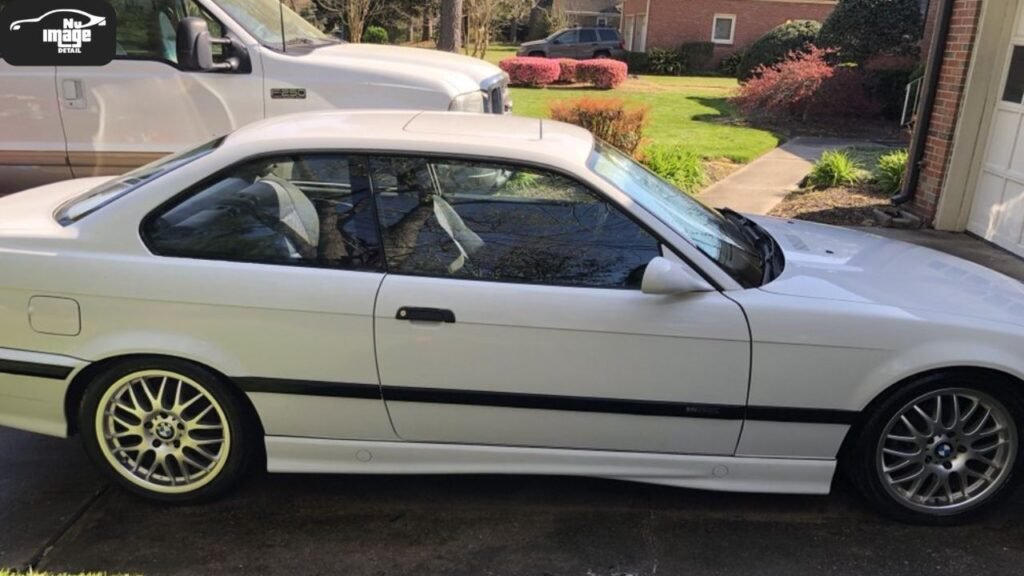
- White and Light Colors: These colors hide dirt and scratches better, but they are still susceptible to fading due to UV rays and other pollutants.
Regular cleaning and protection are crucial regardless of your car’s color to ensure a long-lasting, vibrant finish.
How Nu Image Detail Can Help Protect Your Car’s Paint
At Nu Image Detail, we specialize in providing top-tier car detailing services to help protect your vehicle from the damaging effects of pollution. Our professional team uses high-quality waxes, sealants, and ceramic coatings to give your car the ultimate protection against airborne pollutants, acid rain, and other environmental hazards. We offer customized packages to keep your vehicle’s paint looking fresh and new.
Contact Nu Image Detail today to schedule your next detailing appointment and ensure your vehicle stays protected against pollution. Let us help you maintain the shine and beauty of your car for years to come.